Choosing the right approach to divine revelations of heaven unveiled starts with clear context, practical filters, and realistic expectations.
Introduction to Divine Revelations
Divine revelations of heaven have been a topic of interest and debate for centuries, with various faiths and cultures offering their own interpretations and descriptions of the afterlife. From the heavenly realms of Christianity to the nirvana of Buddhism, these revelations have played a significant role in shaping the spiritual and philosophical landscape of human civilization. In this exploration, we will delve into the mysteries of divine revelations of heaven, examining their significance, common themes, and the impact they have on our understanding of the world and our place within it.
The Concept of Heaven in Major Religions
The concept of heaven varies across different religions, each with its unique characteristics and significance.
Christianity In Christianity, heaven is seen as the ultimate destination for believers, a place of eternal joy and union with God.
It is often described as a realm of perfect happiness, where the righteous will live in the presence of God, free from sin and suffering.
Islam In Islam, heaven is known as
Jannah, a paradise reserved for those who have lived a righteous life according to the teachings of the Quran. It is described as a place of beauty and luxury, with gardens, rivers, and palaces, where the faithful will be rewarded for their good deeds.
Buddhism Buddhism, on the other hand, does not have a concept of heaven in the classical sense.

Instead, it teaches the idea of nirvana, a state of enlightenment and liberation from the cycle of suffering and rebirth. Nirvana is not a physical place but a state of consciousness, where the individual ego and desires are transcended, leading to a state of perfect peace and freedom.
Common Themes in Divine Revelations Despite the differences in the concept of heaven across various religions, there are
common themes that emerge in divine revelations. These include: - The idea of an afterlife: The belief in an afterlife, where the soul continues to exist after the death of the physical body, is a common thread in many divine revelations. - Moral accountability: The concept of moral accountability, where individuals are judged based on their actions and intentions, is another theme that appears in many divine revelations. - The promise of salvation: The promise of salvation, where individuals can attain a state of liberation or enlightenment, is a recurring theme in many religious traditions.
The Significance of Divine Revelations
Divine revelations of heaven have played a significant role in shaping human culture and society. They have: - Influenced art and literature: Divine revelations have inspired some of the most iconic works of art and literature in human history, from the Sistine Chapel to Dante's Divine Comedy. - Shaped moral and ethical values: The concept of moral accountability and the promise of salvation have influenced the development of moral and ethical values in many societies. - Provided comfort and solace: The belief in an afterlife and the promise of salvation have provided comfort and solace to countless individuals throughout history, helping them to cope with loss, suffering, and mortality.
Criticisms and Controversies Divine revelations of heaven have not been without
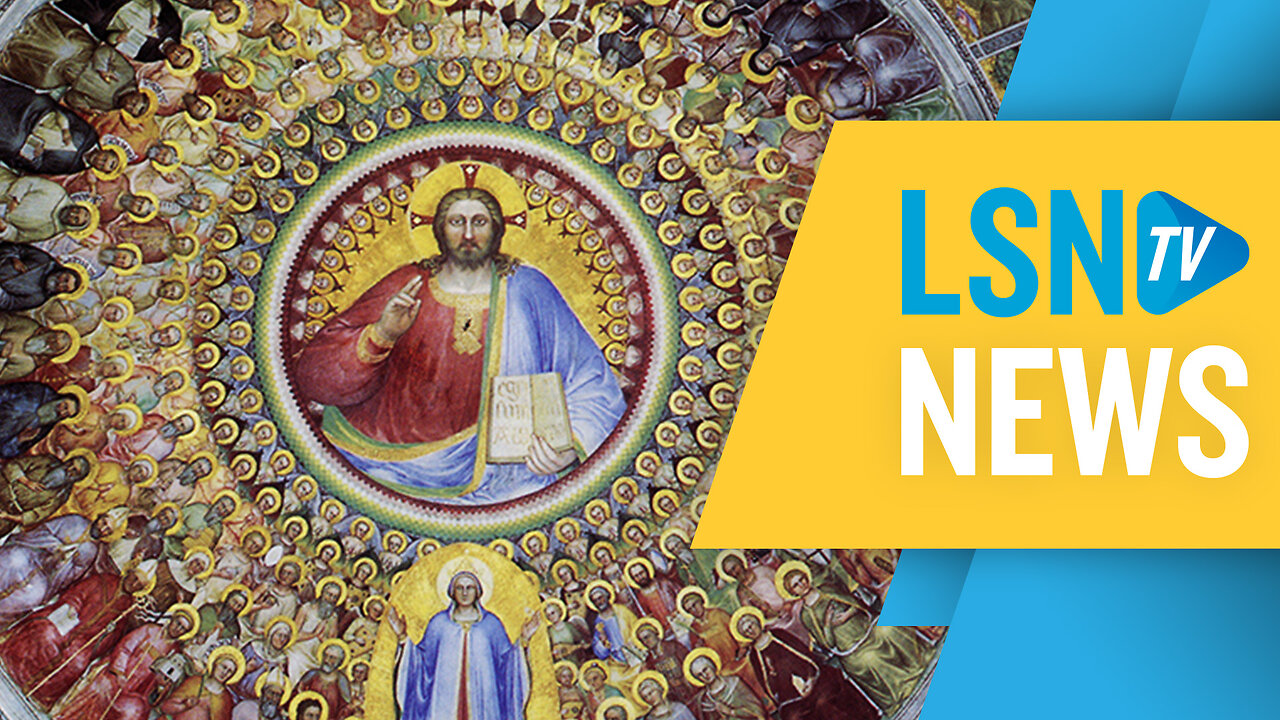
criticisms and controversies. Some have argued that these revelations are: - Based on faith rather than fact: Critics argue that divine revelations are based on faith rather than empirical evidence, and therefore, cannot be proven or verified. - Used to control and manipulate: Some have argued that divine revelations have been used to control and manipulate individuals, often for political or social gain. - Inconsistent and contradictory: The different concepts of heaven across various religions have led to inconsistencies and contradictions, which have been the subject of much debate and discussion.
Practical Applications of Divine Revelations Despite the criticisms and controversies, divine revelations of heaven continue to have
practical applications in many areas of life. They: - Inspire personal growth and transformation: The promise of salvation and the concept of moral accountability can inspire individuals to strive for personal growth and transformation. - Provide a sense of purpose and meaning: The belief in an afterlife and the promise of salvation can provide individuals with a sense of purpose and meaning, helping them to navigate the challenges of life. - Foster a sense of community and belonging: The shared belief in divine revelations can foster a sense of community and belonging, bringing individuals together in a shared sense of purpose and identity.
Conclusion
Divine revelations of heaven are complex and multifaceted, reflecting the diversity and richness of human spirituality and culture.
While they have been the subject of much debate and discussion, they continue to inspire, comfort, and guide individuals in their journey through life. By examining the common themes, significance, and practical applications of divine revelations, we can gain a deeper understanding of the human experience and the role that these revelations play in shaping our lives and our world.