Choosing the right approach to pictures of heaven: exploring the concept starts with clear context, practical filters, and realistic expectations.
Introduction to the Concept of Heaven
The concept of heaven has been a topic of interest and debate for centuries, with various cultures and religions offering their own interpretations and representations. When we ask to see a picture of heaven, we are essentially seeking to understand the idea of a perfect, divine realm that exists beyond our mortal world. This article will delve into the different ways heaven has been depicted and explored, providing a comprehensive overview of its significance in human culture and spirituality.
Historical Representations of Heaven
Throughout history, artists, writers, and theologians have attempted to describe and depict heaven in various forms. From the celestial realms of ancient mythologies to the heavenly kingdoms of modern religious texts, these representations often reflect the values, beliefs, and aspirations of their respective cultures. For example, in Christian art, heaven is often depicted as a beautiful, shining city with gates of pearl and streets of gold, while in Islamic tradition, it is described as a lush garden paradise with rivers of milk and honey.
Common Themes in Heavenly Depictions
Despite the diverse range of representations, certain themes and motifs recur in depictions of heaven across cultures. These include:
- A sense of paradise or utopia, where suffering and conflict are absent
- The presence of a divine or supernatural force, guiding and protecting the inhabitants
- A connection to the afterlife, where the souls of the deceased reside
- A realm of beauty, wonder, and joy, where the inhabitants experience profound happiness and fulfillment
Cultural Significance of Heaven

The concept of heaven has played a significant role in shaping human culture and spirituality, influencing art, literature, music, and philosophy. It has inspired countless works of creative expression, from Michelangelo's frescoes in the Sistine Chapel to John Milton's epic poem "Paradise Lost." Heaven has also been a source of comfort and solace for people facing adversity, providing a sense of hope and reassurance that a better existence awaits beyond the challenges of this life.
Exploring Heaven through Art and Literature Art and literature have long been powerful mediums for
exploring and representing the concept of heaven. From the dreamlike landscapes of William Blake's paintings to the poetic descriptions of heaven in the works of Dante Alighieri, these creative expressions offer a window into the human imagination and our deep-seated longing for transcendence and connection to the divine.
Examples of Heavenly Art and Literature Some notable
examples of art and literature that explore the concept of heaven include:
- John Martin's painting "The Great Day of His Wrath," depicting a dramatic, apocalyptic vision of the end of the world
- The poem "The Divine Comedy" by Dante Alighieri, which describes the author's journey through hell, purgatory, and paradise
- The novel "The Great Divorce" by C.S. Lewis, which explores the idea of heaven and hell as realms of choice, where individuals must decide their own destiny
The Role of Religion in Shaping Heaven Religion has played a profound role in shaping our understanding of heaven, with different faiths offering distinct interpretations and descriptions of
the afterlife. From the Christian concept of heaven as a realm of eternal bliss and communion with God, to the Buddhist idea of nirvana as a state of enlightenment and liberation, these religious perspectives reflect the diverse ways in which human beings have sought to understand and connect with the divine.
Comparison of Heavenly Concepts across Religions
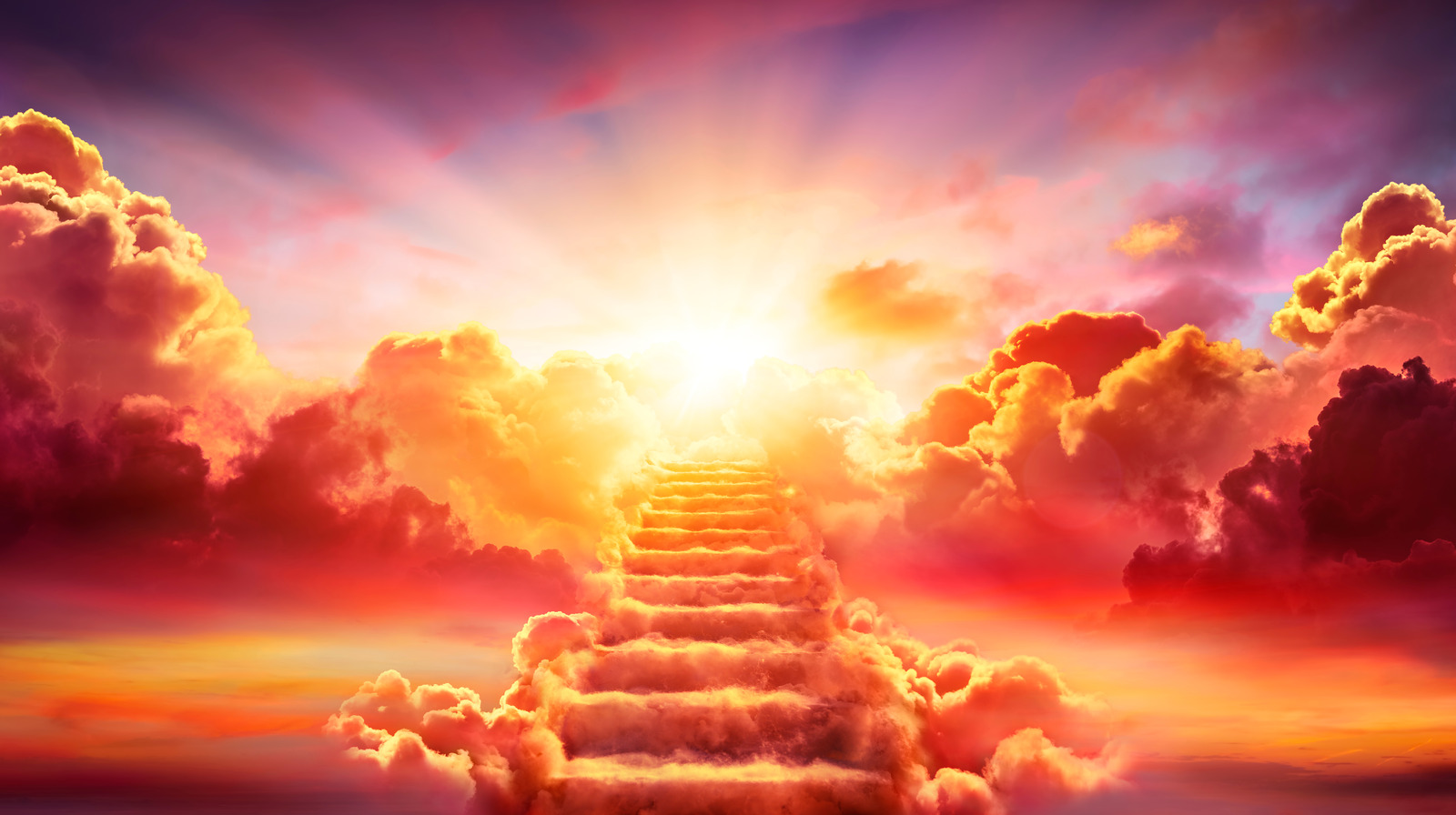
A comparison of heavenly concepts across different religions reveals both similarities and differences. For example:
- Christianity, Islam, and Judaism all describe heaven as a realm of reward and paradise, where the righteous and faithful are rewarded for their deeds
- Hinduism and Buddhism, on the other hand, emphasize the concept of karma and rebirth, where the individual's actions in this life determine their fate in the next
- In many indigenous cultures, heaven is seen as a spiritual realm that is closely tied to the natural world, where the ancestors and spirits reside
Common Misconceptions about Heaven
There are several common misconceptions about heaven that are worth addressing. For example:
- The idea that heaven is a physical place, located in a specific location in the universe
- The notion that heaven is a realm of boring, unending bliss, where individuals are devoid of passion and creativity
- The assumption that heaven is only accessible to those who follow a particular religion or set of beliefs
Practical Applications of the Concept of Heaven The concept of heaven has
many
practical applications in our daily lives, from inspiring personal growth and transformation to providing comfort and solace in times of suffering. By reflecting on the idea of heaven, we can:
- Cultivate a sense of hope and optimism, even in the face of adversity
- Develop a greater appreciation for the present moment, and the beauty and wonder of the world around us
- Foster a deeper connection to our own spirituality, and the values and principles that guide our lives
Conclusion
The concept of heaven is a complex and multifaceted idea that has captured human imagination and inspiration for centuries.
By exploring the different ways in which heaven has been represented and understood, we can gain a deeper appreciation for the significance of this concept in our lives, and the many ways in which it continues to inspire and guide us.